Fox Control Melbourne & Victoria

Fox trapping, removal and tailored management programs for homes, businesses and rural properties across Melbourne and Victoria. Contact Alpha Pest & Game Services to discuss fox activity on your property and arrange an assessment.

Fox Control Services

Fox trapping and control in Melbourne and Victoria

A fox beneath a house, repeated losses around poultry or ongoing activity across a rural property each calls for a different approach.

Alpha Pest & Game Services plans fox control around your property, the signs of activity and the practical limits of the site. We provide trapping, removal and management programs for homes, commercial properties, farms and public land.

Director Daryn Cassidy brings more than 20 years of personal experience in fox trapping and shooting. His work combines property inspections, camera monitoring, suitable control methods and follow-up advice to reduce the chance of foxes returning.

We service Melbourne and regional Victoria, with much of our work within three hours of Melbourne CBD. Tell us where your property is and what you have observed so we can discuss the next step.

We have also designed management programs for interstate clients. Contact us to discuss program design requirements outside Victoria.

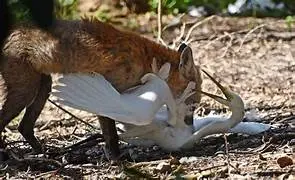
Fox Red fox Red fox

A plan for your property

Fox removal for homes, businesses and rural land

Our work ranges from fox trapping around urban homes to monitoring and management across farms, wineries, council reserves and commercial sites. We also work with schools, retirement villages and government bodies.

Before selecting a method, we assess fox activity, access, ground conditions, surrounding properties and the safety requirements of the site. A technique suited to open rural land may not be appropriate beside homes or busy public areas.

Monitoring helps establish where foxes are moving and when they are active. We use that information to build a program, document the work and review the outcome with you.

For sites affected by several species, fox control can form part of a broader wildlife management program.

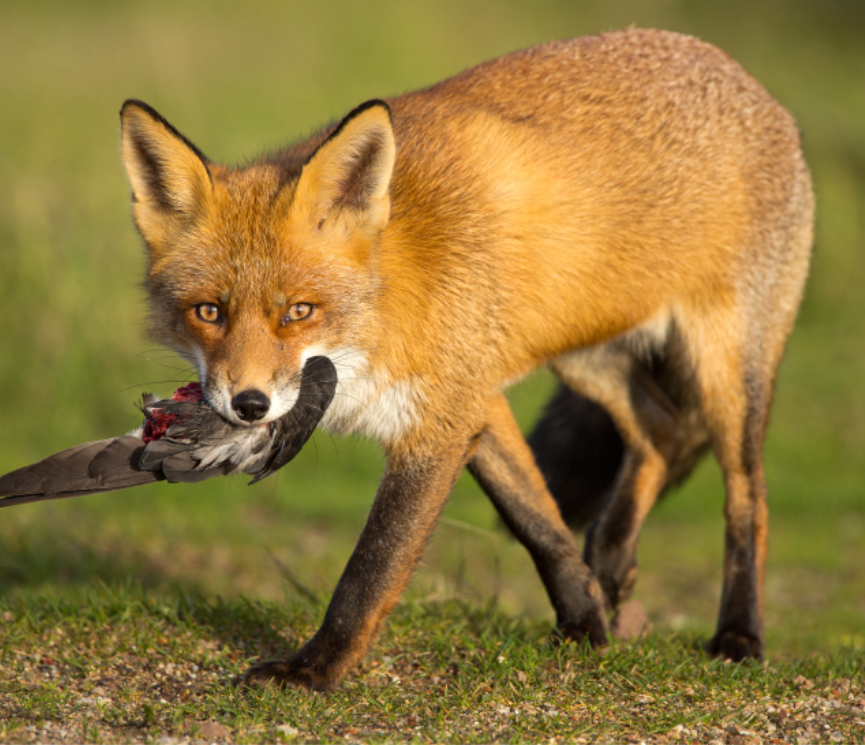
Fox pictured on the Alpha Pest & Game Services website
20+ yearsDaryn’s personal fox trapping and shooting experience
$20 millionPublic liability insurance
Site-specific programsAssessment, monitoring, control and follow-up

Professional experience

Qualifications and specialist equipment

Daryn’s practical experience is supported by qualifications in the use and handling of poisons and the control of animals using firearms. He holds authorisation to carry and use suppressors and is a professional pest management association member.

Authorisations for the work

Our equipment includes authorised suppressors. Firearms work, including work in public places, is subject to the relevant authorisations and the requirements of the individual site. We assess these requirements when planning the program.

Equipment suited to the site

Alongside thermal and night vision optics and 4K cameras, we use specialist vehicle setups and drones where required by the project. Equipment is selected to suit access, terrain and monitoring needs.

From enquiry to follow-up

How our fox control programs work

Understanding the site comes first. We agree on an approach that reflects the activity, access and requirements of your property.

  1. Discuss the problem

    We ask about your location, property size, sightings, damage and surrounding land. This helps us understand the situation and arrange a site visit where needed.

  2. Inspect the property

    We check for signs of fox activity, access routes, ground conditions, after-hours access and safety considerations that affect the available control methods.

  3. Monitor activity

    Camera and field observations build a record of fox movements. Monitoring helps us identify patterns before selecting where and when to carry out control. Sightings and activity are logged to support the management plan.

  4. Design the program

    We select suitable methods, identify relevant permissions and outline the proposed work. The final quote reflects the site assessment and agreed scope.

  5. Carry out the work

    We implement the program and record activity and results from daily or nightly fieldwork. Reporting may be daily, weekly or monthly, depending on the project’s requirements and duration.

  6. Review and follow up

    We discuss the outcome, review remaining activity and recommend practical changes to reduce opportunities for foxes to return. A follow-up check helps review the outcome after the work.

Methods and equipment

A suitable approach to fox control

We offer several control methods. The right combination depends on the site assessment, risks, fox activity and applicable approvals.

Fox trapping

Trapping can be suitable in urban or built-up areas where other approaches are not appropriate. Camera monitoring supports trap placement and observation during the program.

Targeted shooting

Where the site and authorisations allow, shooting may form part of the control program. Thermal and night vision equipment help our operators assess activity in low-light conditions.

Fox baiting

Baiting may be considered for suitable properties as part of a planned program. It can be considered for larger areas with sporadic fox activity. We assess risks to pets, livestock and other wildlife, including secondary poisoning, before determining whether it is appropriate.

Den fumigation

Active dens may be assessed for fumigation where the method is suitable and permitted. The location, surrounding environment and program requirements guide that decision.

Exclusion fencing

We install fencing and design exclusion options to restrict fox access, including around chicken coops and aviaries. Explore our fencing services.

Camera monitoring

Our equipment includes thermal and night vision optics, 4K monitoring cameras and live-feed cameras for traps and dens. Learn about our photo and data collection.

Control methods are selected for the individual property. We discuss site requirements, access and precautions with you before work begins.

Experience in the field

Fox control and monitoring projects

These examples show how the scope and approach can differ between a residential removal and a larger monitoring project.

Keysborough · Residential property

Foxes living beneath a house

A homeowner had been finding dead animals in the backyard for several months. A family of foxes was living beneath the house.

We carried out a trapping program over three weeks, removing three juvenile foxes and one adult female from the property.

Four foxes removed over a three-week program.

Bayside area · Council monitoring

Monitoring across 28 locations

We completed a six-week monitoring program for a council at locations where wildlife and nature reserves were under threat.

The program used 40 cameras and collected more than 22,000 images of fox activity, feral cats and wildlife. The information supported assessment of behaviour and seasonal activity patterns. We supplied a report with control recommendations and management strategies.

Recorded activity to inform the council’s management decisions.

Beyond the initial removal

Reducing the chance of foxes returning

Removing a fox does not prevent another from moving into suitable habitat. Our programs include advice on the features that may be attracting foxes and the access routes they use.

We review activity during the program and recommend follow-up according to the site. Larger projects can include ongoing monitoring, data collection and regular reports.

Practical measures we discuss

  • Restricting access beneath buildings and through boundary gaps.
  • Improving fencing and protection around poultry and aviaries.
  • Removing accessible food scraps and pet food.
  • Securing chickens at night and checking coops for access points.
  • Considering suitable wildlife nesting boxes as part of habitat protection advice.
  • Reviewing vegetation and other potential shelter around the property.
  • Monitoring for fresh activity and reviewing the plan when needed.

Common questions

Fox control FAQs

Do you provide fox control in Melbourne and regional Victoria?

Yes. We work across Melbourne and Victoria, with much of our work within three hours of Melbourne CBD. Our clients include homeowners, farms, wineries, commercial sites, councils, schools and government bodies. Contact us with your location and project requirements.

Can you trap foxes around homes and built-up areas?

Trapping is one of the approaches we assess for urban properties, particularly where shooting or baiting is unsuitable. We inspect the location and consider access, nearby activity and the requirements of the site before recommending a program.

How many visits will a fox control program need?

The number varies with the foxes’ activity, available food, season, control method and site conditions. Trapping and monitoring programs commonly require multiple visits. We discuss the proposed scope after assessing your property rather than promising removal in a single visit.

Will foxes come back after removal?

Another fox may enter if the property still provides food, shelter or easy access. We recommend practical exclusion and property-management measures alongside control, with follow-up monitoring where appropriate.

What about pets, poultry and livestock?

Tell us about all animals kept on the property during the initial discussion. Their presence affects which methods we consider and the precautions required. We explain the site-specific arrangements before implementing a program.

What should I do if I encounter a fox?

Give it space and do not approach, corner or try to pat it, particularly if it appears injured. Keep children and pets away and contact us to discuss activity around your property.

Can foxes threaten pets and poultry?

Small pets and poultry can be vulnerable to fox activity. Keep them secure, especially overnight, and let us know about any sightings or losses. We can assess access points and discuss suitable exclusion measures alongside the control program.

How much does fox control cost?

Pricing depends on location, travel, property size and access, the control methods, equipment, number of visits, reporting and any special approval requirements. We can discuss an initial estimate by phone, with a final quote following a site visit where needed. Urban, peri-urban, semi-rural and rural settings can require different approaches. Travel, fuel, labour, specialist night-time equipment and any permit applications or agency fees are reflected in the scope.

What information should I provide when I enquire?

Tell us your location, approximate property size, how often foxes or signs are seen, and whether there are nearby reserves, forests, schools or other access routes. Mention pets, livestock and access restrictions. This helps us plan the assessment and discuss suitable next steps.

Do you provide monitoring and reports for larger sites?

Yes. We provide camera monitoring, activity records and reporting for management programs. The reporting frequency and scope are agreed for the project and may include control recommendations and a post-program review.
Related services

When fox control is part of a larger project, our related services can support monitoring, exclusion and management of other pest animals.

Talk to Alpha Pest & Game Services

Arrange a fox control assessment

Tell us what is happening on your property. We’ll discuss the location, fox activity and your priorities, then explain the next step towards a suitable management program.

We help you to fix your problems in the environment and farming caused by pesky invasive pests.